
At Sapling Financials, we understand the importance of clear, transparent risk parameters and disclosures in financial services.
As per regulatory expectations set by the Securities and Exchange Board of India (SEBI), risk-related information must be communicated effectively to investors so they can make informed decisions.
This page outlines the key risk parameters, SEBI compliance requirements, and disclosure standards that govern investment products, advisory practices, and financial markets in India.
SEBI mandates that investment products and intermediaries disclose risk factors in a transparent and structured format. For example, in public offerings, risk factors must be:
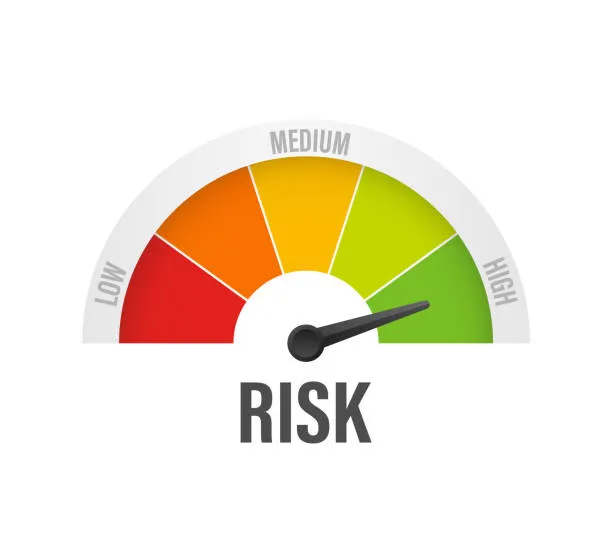
For mutual funds and pooled investment products, regulators also require the use of Risk-o-meter disclosures — a standardized graphical representation of risk levels — whenever performance is disclosed to investors.
SEBI has introduced frameworks like risk disclosure standards for derivatives and risk-return verification systems (PaRRVA) to ensure investors understand the nature and intensity of risks before participating in trading or collective investment schemes:
These frameworks are designed to enhance investor awareness and protect market integrity.
Financial intermediaries — such as investment advisers, portfolio managers, and mutual funds — must adhere to SEBI compliance requirements that include:
SEBI requires that advisers conduct a documented, structured risk profiling process for each client. Such profiling must be objective, updated periodically, and documented as part of the suitability and advisory disclosures.
All communication and marketing materials must include disclosures on risk parameters, historical returns, and risk-adjusted measures where applicable. This helps investors weigh the potential rewards against risks.
Agreements must include clauses detailing how risk is assessed, how suitability is determined, and the nature of services offered.
SEBI emphasizes investor protection by prescribing that:
These disclosures help investors make well-informed decisions and understand the potential downsides along with expected outcomes.
SEBI’s compliance framework requires regulated entities to publish and update risk disclosures regularly:
At Sapling Financials, we adhere to SEBI’s risk disclosure and compliance requirements by: