
Asset Allocation

Asset Allocation – A Key to Successful Investing
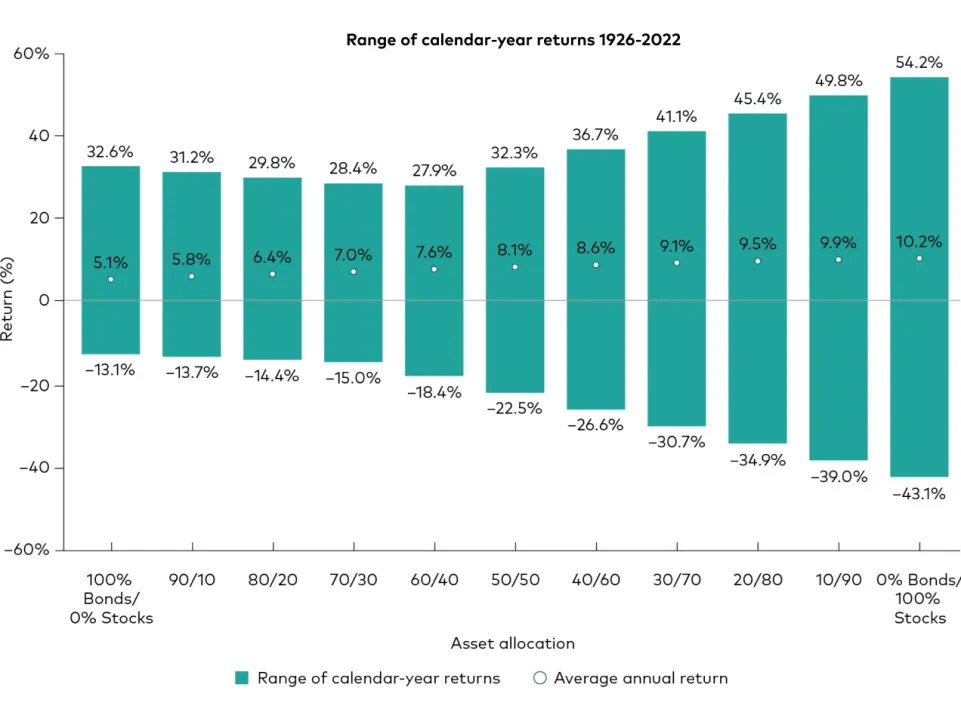

Understanding Asset Allocation

Asset allocation is the strategic distribution of investments across various asset classes, including stocks, bonds, real estate, and cash, to optimize risk and reward. A well-crafted asset allocation plan can significantly impact your financial success.

The principle of asset allocation is grounded in the belief that a diversified portfolio can reduce risk and enhance potential returns. By spreading investments across different asset categories, you can better protect your portfolio against market fluctuations.

Key Considerations for Asset Allocation
  • Assess Your Risk Tolerance: Understanding how much risk you can handle is crucial for determining your asset mix.
  • Define Your Investment Goals: Establish clear financial objectives to guide your asset allocation strategy.
  • Diversify Your Investments: Invest in a mix of asset classes to mitigate risks and seize opportunities.
  • Regularly Rebalance Your Portfolio: Adjust your investments periodically to maintain your target asset allocation.
  • Stay Informed: Keep up with market trends and economic changes to make informed investment decisions.
Skills and Experience Needed
  • Strong analytical skills to evaluate investment opportunities.
  • Knowledge of various asset classes and market dynamics.
  • Excellent communication skills to convey complex concepts simply.
  • Ability to build and maintain client relationships through trust and transparency.
  • Empathy to understand clients' unique financial situations and goals.
Recommended Asset Allocation Models
  • Conservative Portfolio: Ideal for risk-averse investors, typically consisting of 20% stocks and 80% bonds and cash.
  • Balanced Portfolio: Aiming for moderate risk and return, this might include 60% stocks and 40% bonds.
  • Growth Portfolio: Suited for aggressive investors, often allocating 80% or more to stocks and higher-risk assets.